
Expert Physiotherapy, Osteopathy, Pilates, and Complementary Therapies in Balham
Where your health and well-being take centre stage
A Modern, Multidisciplinary Approach to Your Health
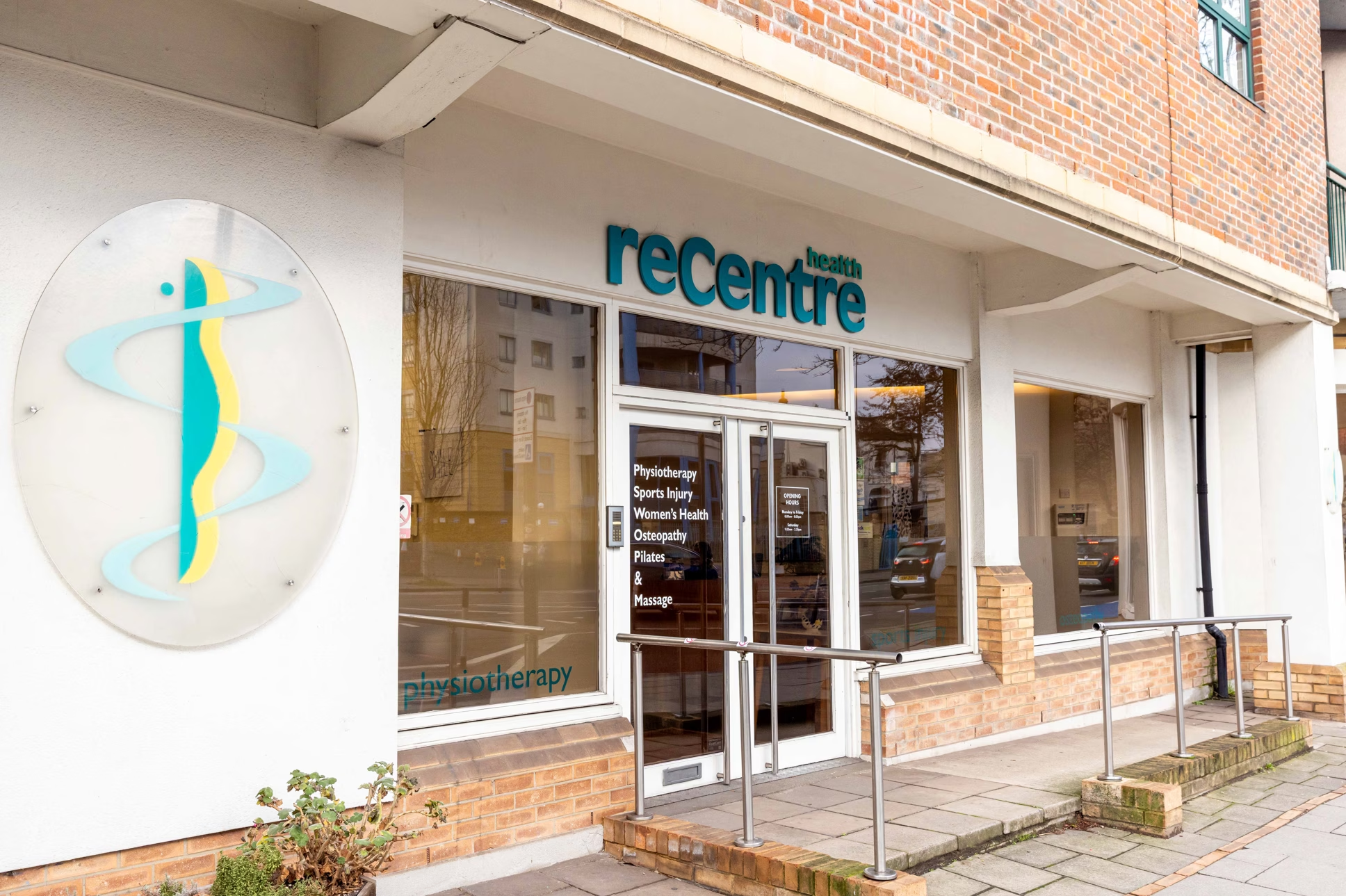
Trusted in the Local Community
Our team of expert practitioners are trusted by local residents, athletes, and families alike.
Multi-disciplinary Team of Practitioners
We have practitioners with expertise spanning physiotherapy, osteopathy, Pilates, and other complementary therapies like massage therapy.
Depth of Expertise
Our experienced practitioners bring many years of combined clinical knowledge to every treatment.
Evidence-led Treatment
Care plans are informed by the latest research and shaped by extensive hands-on experience to deliver consistently high standards of care.
Personalised, Whole-body Care
We focus on understanding the underlying cause of your symptoms and creating a treatment plan tailored specifically to you – never a one-size-fits-all approach.
Flexible, Convenient
Care
With same- and next-day appointments available and easy booking online or by phone, care fits around your lifestyle.
Multi-disciplinary Care, All Under One Roof
Conditions We Support
Experienced Professionals Providing Exceptional Care
Hear From Our Patients
Posted on GoogleTrustindex verifies that the original source of the review is Google. Georgie is an outstanding physiotherapist. She has been supporting my mum through her rehab following a knee replacement, and the results have been incredible (also credit to ma for actually doing the exercises she is set!). Georgie has been professional, knowledgable and super encouraging. She explains everything clearly, tailors exercises to my mum’s needs, and has given her real confidence. Thanks to her dedication and expertise, recovery has been swift and doctors can’t believe the range of motion she has already regained. Thank you Georgie for your care and kindness 🤗 (Video is 7 weeks post-op)Posted on GoogleTrustindex verifies that the original source of the review is Google. Very good physio. Georgie is excellent - thorough and good at providing a clear action plan.Posted on GoogleTrustindex verifies that the original source of the review is Google. Highly recommend the ReCentre. Seeing productive results in my should rehabilitation after 1 session with GeorgiePosted on GoogleTrustindex verifies that the original source of the review is Google. I can’t recommend Aga enough for a sports massage! Her massage was incredible and after just 1 treatment I felt huge relief! I have since been back to see her and again was extremely happy. Will be recommending her to everyone!Posted on GoogleTrustindex verifies that the original source of the review is Google. Georgie did a thorough assessment and quickly established what was wrong and has found exercises which I can fit into my day and therefore will actually manage to do. Really happy with the management plan. Thank you!Posted on GoogleTrustindex verifies that the original source of the review is Google. I found staff to be very professional and caring. I was in a lot of pain when I went to reCentre and happy to say by the end of my treatment I was pain free.Georgie Tacon was my therapist she explained what my issue was and how she planned on treating it. I enjoyed working with and appreciate her suggeztion that although I am pain free. I kerp up the excercises as maintaince. No hesitstion in recommending either the centre or therapist.Posted on GoogleTrustindex verifies that the original source of the review is Google. Anne has been absolutely critical in helping me through my ACL injury. She is friendly, efficient, and incredibly competent. Thank you.Posted on GoogleTrustindex verifies that the original source of the review is Google. Alex Hooper helped prepare me for my hip replacement operation. He has kept my creaking body as strong and mobile as it could be and was knowledgeable and motivating at a time when movement was difficult and painful. I also I intend to return to Alex to ensure that I recover well post operation. Highly recommend.Posted on GoogleTrustindex verifies that the original source of the review is Google. I have been to a few physios and this is by far the most clean and nicest one I have been to. Anne has been absolutely brilliant with my knee couldn’t recommend her enough! Will keep returning.